
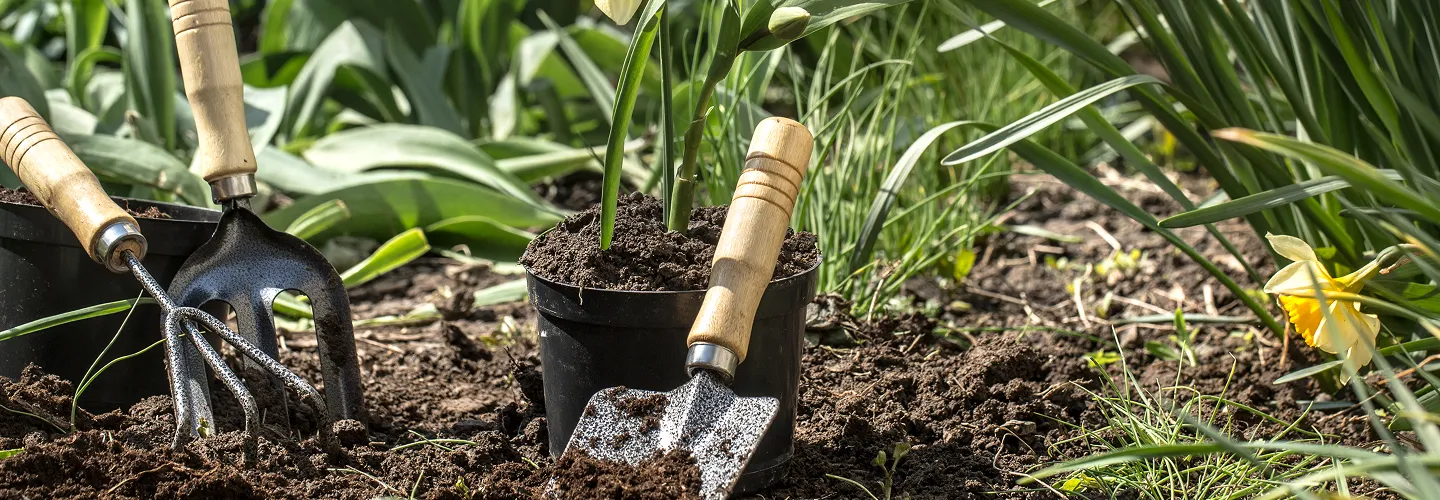
Pinellas Park Flower Planting Services
Choose our expert flower planting services for vibrant, long-lasting gardens that enhance your home's curb appeal and bring color to every season.
Get a Free QuoteOur Pinellas Park Landscaping & Yard Care Services
When to Schedule Flower Planting in Pinellas Park, Florida – Seasonal Guide
Flower planting in Pinellas Park, Florida, is best scheduled with careful attention to the region’s subtropical climate and unique landscape features. The optimal planting windows are typically late winter through early spring and again in early fall, when temperatures are moderate and rainfall is more predictable. These periods help new plantings establish strong roots before the intense summer heat or occasional winter chills. Neighborhoods near Helen S. Howarth Community Park or the tree-lined streets of Bonnie Bay benefit from microclimates that may extend or shorten these windows, depending on shade and soil moisture.
Local environmental factors play a significant role in determining the best time for flower planting. Pinellas Park’s sandy soils drain quickly, so drought-tolerant varieties are often recommended, especially in areas with less irrigation. Humidity levels remain high for much of the year, which can influence plant selection and disease risk. It’s also important to consider the city’s last frost date—usually in late January—as well as municipal guidelines, which can be found on the official city website, to ensure compliance with local landscaping ordinances.
Local Factors to Consider for Flower Planting in Pinellas Park
- Tree density and available shade in neighborhoods like Mainlands or Park Place
- Soil type and drainage, especially in low-lying or waterfront areas
- Seasonal precipitation patterns and drought risk
- Municipal restrictions or guidelines for landscaping
- Proximity to landmarks such as England Brothers Park, which may influence microclimates
- Terrain variations, including elevation and exposure to wind
Benefits of Flower Planting in Pinellas Park
Expert Local Knowledge
Customized Landscape Designs
Seasonal Plant Selection
Eco-Friendly Practices
Reliable Maintenance Services
Enhanced Curb Appeal
Pinellas Park Flower Planting Types

Annual Flower Beds
Seasonal color with vibrant annuals for dynamic landscape displays.
-
Perennial Gardens
Long-lasting blooms that return year after year for low-maintenance beauty.
-
Native Wildflower Plantings
Eco-friendly options that support local pollinators and thrive in the Pinellas Park climate.
-
Shade Garden Flowers
Specialized plantings for areas with limited sunlight, ensuring lush growth.
-
Butterfly and Pollinator Gardens
Flower selections designed to attract butterflies, bees, and other beneficial insects.
-
Container Flower Arrangements
Versatile and movable flower displays perfect for patios, entryways, and small spaces.
-
Drought-Tolerant Flower Beds
Low-water plantings ideal for sustainable and resilient landscaping.
Our Flower Planting Process
Site Evaluation
Soil Preparation
Plant Selection
Careful Planting
Watering and Mulching
Why Choose Pinellas Park Landscape Services
Pinellas Park Homeowners Trust Us
-
Expert Lawn Maintenance
-
Reliable Scheduling
-
Competitive Pricing
-
Licensed and Insured Team
-
Satisfaction Guarantee
-
Personalized Service Plans
-
Prompt Customer Support
Coordinating Flower Planting with Pinellas Park Parks & Recreation and Community Development
Flower planting on public or community-facing properties in Pinellas Park often requires coordination with the city’s Parks & Recreation Department, especially for projects in parks, medians, or public greenways. For private developments, the Community Development Department may review landscape plans to ensure compliance with city standards and sustainable planting practices. Residents and property managers should verify if their project location falls within a city right-of-way or public easement, as these areas may have specific planting restrictions or require city approval. For neighborhood common areas or HOA-managed spaces, coordination with both city departments and association guidelines is recommended to avoid conflicts with irrigation, drainage, or maintenance access. When planning a new flower bed or seasonal planting, it is advisable to consult the city’s published landscape standards and submit any required documentation for review.
Pinellas Park Parks & Recreation
6050 62nd Ave N, Pinellas Park, FL 33781
Phone: 727-369-5694
Official Website: Pinellas Park Parks & Recreation
Pinellas Park Community Development
5141 78th Ave N, Pinellas Park, FL 33781
Phone: 727-369-5631
Official Website: Pinellas Park Community Development
How Pinellas Park’s Gulf Coast Climate and Soils Shape Flower Planting
Pinellas Park is situated in Florida’s Gulf Coast region, characterized by a humid subtropical climate, high summer rainfall, and sandy, fill-based urban soils. These conditions directly influence flower planting success and maintenance requirements:
- The area’s sandy soils, as identified by the USDA Web Soil Survey, drain quickly but can lead to nutrient leaching, requiring careful soil amendment and mulching.
- High humidity and frequent summer rains increase fungal pressure and can cause root rot in poorly drained beds, making site selection and drainage management critical.
- The city’s proximity to the coast means some sites may experience salt spray or higher water tables, affecting plant selection and irrigation needs.
Selecting regionally adapted, salt-tolerant, and heat-resistant flower species is essential for sustainable planting. Additionally, the USDA Plant Hardiness Zone Map places Pinellas Park in Zone 10a, supporting a wide range of subtropical annuals and perennials but requiring attention to wet-season stress and occasional cool snaps.
Regulatory Requirements and Environmental Compliance for Flower Planting in Pinellas Park
Flower planting projects in Pinellas Park must comply with both municipal and state-level environmental regulations. For new installations or significant landscape modifications, the Community Development Department may require plan review to ensure plantings do not obstruct sightlines, encroach on public rights-of-way, or interfere with stormwater management infrastructure. The city enforces property maintenance and nuisance vegetation codes, which can affect ongoing flower bed upkeep. Additionally, Florida’s Model Ordinance for Florida-Friendly Fertilizer Use on Urban Landscapes restricts fertilizer application near water bodies and during the rainy season to protect local waterways from nutrient runoff. For projects near swales, canals, or retention ponds, adherence to Florida DEP’s NPDES Stormwater Program is essential to prevent sediment and chemical discharge into the municipal stormwater system.
Pinellas Park Community Compliance
5141 78th Ave N, Pinellas Park, FL 33781
Phone: 727-369-5668
Official Website: Pinellas Park Community Compliance
Professional Flower Planting Methods and Seasonal Timing in Pinellas Park
Effective flower planting in Pinellas Park requires adapting methods to the city’s climate and urban site conditions. Key professional standards include:
- Planting during the cooler, drier months (late fall through early spring) to reduce transplant shock and fungal risk, as recommended by UF/IFAS Gardening Solutions.
- Amending sandy or fill-based soils with organic matter to improve water retention and nutrient availability, while ensuring beds are graded to prevent standing water.
- Installing mulch at a depth of 2-3 inches to moderate soil temperature, suppress weeds, and reduce runoff, but keeping mulch away from plant stems to prevent rot.
- Using drip irrigation or soaker hoses to deliver water efficiently and minimize leaf wetness, which can exacerbate disease in humid conditions.
- Selecting flower species proven for Zone 10a, such as pentas, vinca, and marigold, and avoiding species sensitive to salt or high rainfall.
Routine inspection for drainage issues and prompt removal of spent blooms or diseased material are also essential for maintaining healthy, attractive beds.
What Neighborhoods Do We Serve Throughout Pinellas Park, FL?
- Mainlands of Tamarac by the Gulf This area features mature landscaping and larger lots, often requiring careful coordination for irrigation and drainage in flower beds.
- Skyview Terrace Known for its established tree canopy, this neighborhood presents both shade and root competition challenges for flower planting.
- Bonnie Bay With a mix of older homes and newer infill, soil conditions can vary from compacted fill to sandy loam, affecting bed preparation.
- Park Place This community includes HOA-managed common areas and retention ponds, making compliance with stormwater and fertilizer rules especially important.
- Pinellas Park City Center Urban core sites often have limited planting space and higher exposure to reflected heat from pavement, requiring heat-tolerant species.
- Sawgrass Village Proximity to canals and swales in this area means flower beds must be designed to prevent runoff and protect water quality.
- Cross Bayou Lots adjacent to water features and greenways demand salt-tolerant plantings and careful irrigation management to avoid overwatering.