
Pinellas Park Lawn Mowing Services
Choose our lawn mowing service for reliable, professional results that keep your yard looking its best all season long. We combine local expertise, attention to detail, and a commitment to customer satisfaction to ensure your lawn is healthy, beautiful, and hassle-free.
Get a Free QuoteOur Pinellas Park Landscaping & Yard Care Services
When to Schedule Lawn Mowing in Pinellas Park, Florida – Seasonal Guide
In Pinellas Park, Florida, the timing of your lawn mowing routine is crucial for maintaining a healthy, vibrant yard. The region’s subtropical climate means grass grows vigorously from late spring through early fall, with peak growth typically occurring between April and September. Local neighborhoods like Mainlands of Tamarac by the Gulf and areas near England Brothers Park often experience rapid turf growth due to high humidity and frequent summer rains. However, the risk of drought during late summer and the occasional cold snap in winter—when frost can occur—require careful adjustment of mowing schedules.
Environmental factors unique to Pinellas Park, such as sandy soils, dense shade from mature oaks in communities like Bonnie Bay, and municipal watering restrictions, all play a role in determining the best times for lawn care. Homeowners should also consider the impact of local precipitation patterns and the potential for fungal issues in shaded or poorly drained areas. For more information on local regulations and best practices, visit the official city resource.
Local Factors to Consider for Lawn Mowing in Pinellas Park
- Tree density and shade coverage, especially in established neighborhoods
- Soil type (sandy vs. loamy) affecting moisture retention
- Seasonal precipitation and drought risk
- Frost dates and winter temperature fluctuations
- Terrain and drainage patterns
- Municipal watering and mowing restrictions
Benefits of Lawn Mowing in Pinellas Park
Consistent Curb Appeal
Healthier Grass Growth
Weed and Pest Reduction
Time and Effort Savings
Professional Equipment Use
Reliable Scheduling
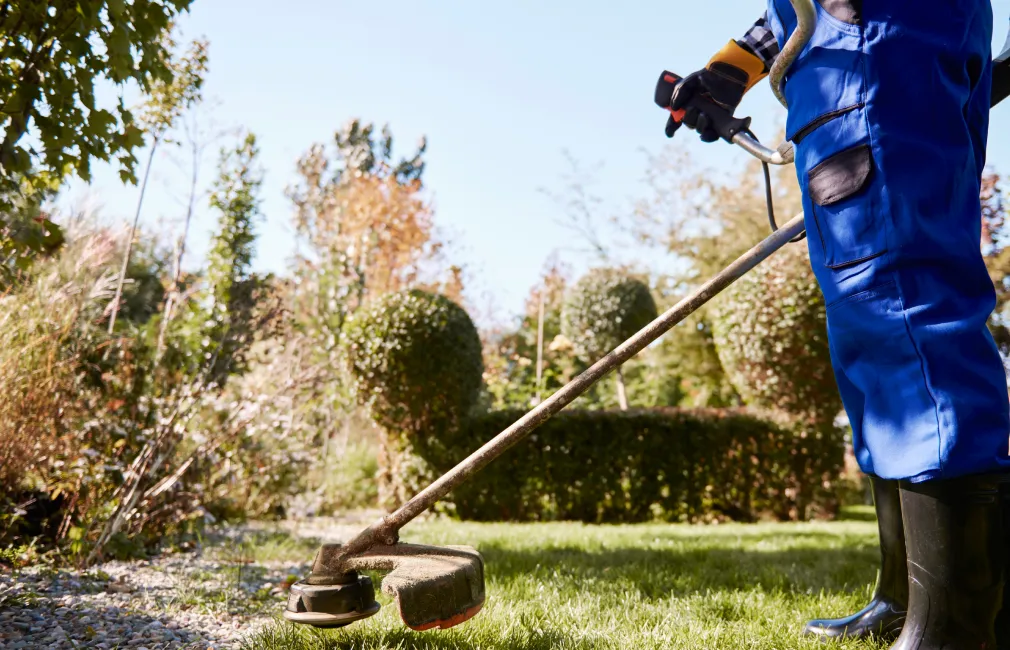
Pinellas Park Lawn Mowing Types

Residential Lawn Mowing
-
Commercial Lawn Mowing
-
Weekly Lawn Maintenance
-
Bi-Weekly Lawn Mowing
-
One-Time Lawn Cutting
-
Edging and Trimming Services
-
Seasonal Lawn Care
Our Lawn Mowing Process
Site Evaluation
Lawn Preparation
Mowing Execution
Edging and Trimming
Cleanup
Why Choose Pinellas Park Landscape Services
Pinellas Park Homeowners Trust Us
-
Expert Lawn Maintenance
-
Reliable Scheduling
-
Competitive Pricing
-
Licensed and Insured Team
-
Satisfaction Guarantee
-
Personalized Service Plans
-
Prompt Customer Support
Coordinating Lawn Mowing and Yard Waste Handling with Pinellas Park Public Works
Lawn mowing in Pinellas Park requires careful coordination with the city’s Public Works Department, especially regarding the disposal of grass clippings and vegetative debris. Residents and property managers must ensure that clippings are not left in the street or near storm drains, as this can contribute to blockages and water quality issues. The city provides scheduled yard waste collection, and all debris should be properly contained according to municipal guidelines. For larger volumes or storm-related debris, additional procedures may apply, and it is essential to verify current collection protocols directly with the department. Keeping mowing debris out of swales, canals, and curb inlets is critical for maintaining effective drainage and preventing nutrient runoff into local waterways.
- Place grass clippings in approved containers or bags for collection
- Never blow or sweep clippings into the street or storm drains
- Confirm collection schedules and requirements with the city before large-scale mowing or cleanup
Pinellas Park Public Works
6250 82nd Avenue North, Pinellas Park, FL 33781
Phone: 727-369-5850
Official Website: Pinellas Park Public Works
How Pinellas Park’s Gulf Coast Climate and Soils Shape Lawn Mowing Needs
Pinellas Park is situated in the Gulf Coast Florida region, characterized by a humid subtropical climate, sandy fill-based soils, and a pronounced wet season from late spring through early fall. These conditions directly influence lawn mowing practices:
- Heat and Humidity: High summer temperatures and humidity accelerate turf growth, especially for St. Augustinegrass and bahiagrass, which are common in the area. Mowing frequency may need to increase during the wet season to keep up with rapid growth.
- Sandy, Fill-Based Soils: The city’s soils, as identified by the USDA Web Soil Survey, tend to be sandy and well-drained but can be compacted in newer subdivisions. This affects turf health and mowing height, as scalping can stress grass on uneven or compacted ground.
- Stormwater Sensitivity: Many neighborhoods border swales, canals, or retention ponds, making it essential to prevent clippings and fertilizer from entering these systems. Runoff during heavy rains can carry debris and nutrients into local waterways, impacting water quality.
Regulatory Requirements and Environmental Compliance for Lawn Mowing in Pinellas Park
Lawn mowing activities in Pinellas Park are subject to both municipal and state-level regulations. The city enforces property maintenance codes that require regular mowing to prevent overgrowth and maintain neighborhood standards. The Pinellas Park Community Compliance division addresses nuisance vegetation and ensures compliance with local ordinances. Additionally, Florida’s Model Ordinance for Florida-Friendly Fertilizer Use restricts fertilizer application near stormwater features, and the Florida DEP NPDES Stormwater Program provides guidance on preventing runoff pollution. While routine mowing does not require a permit, any work affecting public rights-of-way or involving significant debris removal may require coordination with city departments. Residents should:
- Maintain turf below the maximum height allowed by city code
- Avoid depositing clippings or debris in public areas or waterways
- Review fertilizer and pesticide application rules for proximity to storm drains and canals
Pinellas Park Community Compliance
6051 78th Avenue North, Pinellas Park, FL 33781
Phone: 727-369-5668
Official Website: Pinellas Park Community Compliance
Professional Lawn Mowing Standards and Seasonal Timing in Pinellas Park
Effective lawn mowing in Pinellas Park requires adapting to the city’s climate and turf types. According to UF/IFAS Lawn Maintenance and Care, mowing height should be adjusted based on the dominant grass species—St. Augustinegrass is typically maintained at 3.5 to 4 inches, while bahiagrass can be mowed at 3 to 4 inches. During the wet season, increased rainfall and growth rates may necessitate more frequent mowing, but it is important to avoid removing more than one-third of the leaf blade at a time to minimize turf stress. Irrigation should be scheduled for early morning hours to reduce fungal risk, and mowing should be avoided when grass is wet to prevent clumping and soil compaction. Clippings can be left on the lawn if evenly distributed, as they return nutrients to the soil, but must not be allowed to enter storm drains or water bodies. For additional guidance on irrigation efficiency, consult EPA WaterSense Outdoors.
- Adjust mowing height by turf species and season
- Mow more frequently during periods of rapid growth, especially in summer
- Schedule mowing and irrigation to minimize disease and runoff risk
What Neighborhoods Do We Serve Throughout Pinellas Park, FL?
- Mainlands of Tamarac by the Gulf This area features mature landscaping, smaller lots, and established drainage swales that require careful clipping management.
- Skyview Terrace Known for its mix of older homes and newer infill, this neighborhood often has compacted fill soils and variable shade exposure.
- Bonnie Bay Country Club Estates Larger lots and proximity to water features mean mowing must account for runoff and irrigation intensity.
- Pinellas Park City Center Urban core lots with limited green space and high pedestrian activity require precise mowing and debris containment.
- Park Place Subdivision-style development with HOA oversight and uniform turf types, often with reclaimed water irrigation.
- Sawgrass Village Newer construction with fill-based soils and engineered drainage, making even mowing and swale protection essential.
- Cross Bayou Properties adjacent to canals and retention ponds, where preventing clippings and fertilizer runoff is especially important.